
Understanding Your Annual Physical: A Complete Guide

A yearly physical is one of the simplest ways to catch small issues before they become big ones. Whether you’re due for your first adult check-up or you’ve been coming in every January for a decade, here’s exactly what to expect — and how to make the most of your visit.
Why Annual Physicals Matter
Regular check-ups let your doctor track changes in your body over time — blood pressure, weight, cholesterol, and more — so small shifts get caught before they turn into bigger problems. Think of it as preventive maintenance for your health, not just a visit for when something feels wrong.
“The patients who see the biggest long-term benefit aren’t the ones who come in when something’s wrong — they’re the ones who never miss their annual visit.” — Dr. Sarah Jenkins, Cardiology
What to Expect During Your Visit
Every physical follows a similar rhythm, whether it’s your first visit with us or your fifteenth.
Before You Arrive
- Bring a list of current medications and supplements
- Note any new symptoms or concerns, even minor ones
- Fast for 8–12 hours if bloodwork is scheduled
- Wear comfortable clothing that’s easy to move in
During the Exam
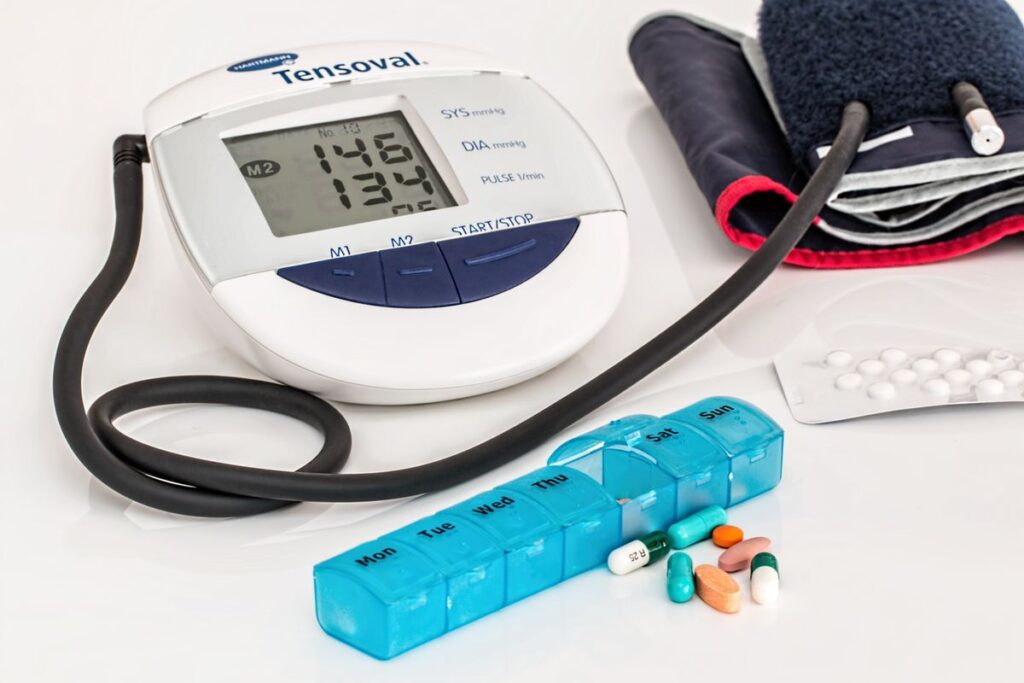
- Vitals check — height, weight, blood pressure, and heart rate
- Review of your medical history and any changes since your last visit
- Physical examination, including heart, lungs, and reflexes
- Bloodwork or additional screenings, if recommended
- A conversation about results, next steps, and any referrals
Common Screenings by Age
Ages 20–39
Focus areas include blood pressure, cholesterol, and baseline bloodwork. This is also the right time to establish your medical history baseline — the earlier we start tracking, the more useful future comparisons become.
Ages 40–59
Screenings typically expand to include diabetes risk, cardiovascular health, and cancer screenings appropriate to your risk factors and family history. Most insurance plans cover these screenings in full when ordered as part of an annual visit, so cost is rarely a reason to skip them.
A note on family history
If a parent or sibling has been diagnosed with a hereditary condition, mention it — it often changes which screenings your doctor recommends and when.
Ready to schedule your next check-up? Book an appointment and we’ll take it from there.
6 Comments
Quick question: if my physical is scheduled for 8am and bloodwork is included, do I need to stop eating from midnight, or is 8 hours before enough?
Great question! For most standard panels, 8 hours is enough, but if your doctor also ordered a lipid/cholesterol panel we recommend the full 12 hours for the most accurate results. Your confirmation email will note the exact fasting window your doctor requested.
That’s really helpful, thank you! I’ll go with 12 hours to be safe.
Just had my annual physical here last week and the whole process was so much smoother than I expected. The checklist in this post is spot on — bringing my medication list ahead of time saved a ton of back-and-forth.
Thank you for sharing this, David! We’re so glad the visit felt smooth — that’s exactly what we’re aiming for. See you at your next check-up.
Do you all send a reminder email a few days before the appointment? I always forget to fast in advance if I don’t get a nudge.